


Ceramic Coating vs Wax and Sealants Which Lasts Longer Protects Better and Stays Cleaner

A freshly waxed car can look fantastic for a weekend. The problem starts a few washes later, when the shine softens, dust settles faster, and water stops flying off the paint the way it did on day one.
That is why more drivers are comparing wax and paint sealants with ceramic and graphene coatings. All three are designed to protect paint and improve gloss, but they do it in very different ways. Wax sits on top of the paint as a softer, petroleum-based or natural protective layer. Sealants use synthetic polymers to last longer than wax. Ceramic coatings use SiO2 nano technology to bond with the surface and create a harder, slicker, longer-lasting shield.
Graphene ceramic coatings go a step further by adding graphene-based chemistry to ceramic protection. The goal is better slickness, less dust attraction, improved water behavior, and longer-lasting visual clarity.
If you want the short answer, ceramic and graphene coatings last longer, protect better, and usually stay cleaner than wax or standard sealants. The longer answer is more useful, because the best choice depends on how long you want protection to last, how often you wash, and how much appearance matters.

How wax, sealants, and ceramic coatings protect paint
Wax, sealants, and ceramic coatings all create a sacrificial barrier. That barrier helps separate your clear coat from daily hazards like road film, UV exposure, bug residue, bird droppings, tree sap, rain minerals, and wash contact.
The difference is in the chemistry.
Car wax is traditionally made from natural waxes, such as carnauba, blended with oils, solvents, and other ingredients that help it spread and shine. Many modern waxes also include synthetic additives. Wax gives paint a warm, rich glow, especially on darker colors. It is easy to apply and forgiving, but it does not last very long.
Paint sealants are synthetic protectants made to outlast wax. They usually create a slicker, tighter film than wax and can hold up through more washes. Sealants are often a good middle ground for people who want better durability without committing to a professional coating.
Ceramic coatings are liquid products that cure into a harder protective layer. Most are based on silicon dioxide, often written as SiO2. Once cured, a ceramic coating bonds to the paint more strongly than wax or a sealant. This creates a durable surface that resists water, grime, and chemical contamination better.
Graphene ceramic coatings are ceramic coatings enhanced with graphene or graphene-related materials. In real-world detailing, they are valued for slickness, strong water behavior, and lower dust attraction compared with oily products.
Here is the basic comparison:
Protection type | Typical lifespan | Main strength | Main limitation |
Wax | Up to 6 months | Warm shine and easy application | Short lifespan and more frequent reapplication |
Sealant | Up to 1 year | Longer protection than wax | Still wears away faster than coatings |
Ceramic coating | 2 to 9 years | Strong durability and easier maintenance | Requires better prep and careful application |
Graphene ceramic coating | 2 to 9 years | Slick feel, strong protection, lower dust attraction | Quality depends on product and installation |
The lifespan of any product depends on prep, weather, washing methods, vehicle storage, mileage, and product quality. A garage-kept weekend car will usually hold protection longer than a daily driver parked outside year-round.
Ceramic coatings reflect light differently than wax
Gloss is not only about shine. It is about how cleanly light reflects off the surface.
Wax can make paint look deep and warm because it fills tiny imperfections and leaves behind a glossy layer. That look is popular for a reason. On certain colors, especially red, black, and dark blue, wax can create a soft glow that looks rich.
But wax also contains oils. Those oils can slightly absorb and scatter light. The result is a shine that can look beautiful, but less sharp over time as the wax breaks down, collects dust, and smears under heat or repeated washing.
Ceramic coatings behave differently. A cured ceramic coating forms a clearer, harder layer over the paint. Instead of the warm, soft look of wax, ceramic tends to create a crisp, reflective finish. Light bounces off the coated surface more cleanly, which can make the paint look glassier.
That is one reason ceramic-coated vehicles often look freshly detailed even after normal use. The coating does not just add shine. It helps preserve the sharpness of the finish between washes.
Graphene ceramic coatings build on that effect. Their non-oily surface helps maintain a cleaner, slicker look. Less residue means fewer dull patches, less oily haze, and reduced dust cling.
This is one of the biggest differences in Ceramic Coating vs Wax and Sealants Which Lasts Longer Protects Better and Stays Cleaner comparisons. Wax can win for that classic wet glow right after application. Ceramic and graphene coatings usually win for long-term clarity.
Longevity is where coatings pull far ahead
Wax is satisfying because the result is immediate. Apply it, buff it off, and the car looks better. The tradeoff is that wax breaks down quickly.
A good wax may last up to 6 months under favorable conditions. Many waxes fade sooner with frequent washing, high heat, road salt, outdoor parking, or heavy rain. Once the wax layer weakens, water behavior drops, gloss fades, and the paint becomes more exposed.
Sealants are stronger. A quality paint sealant can last up to 1 year. That makes sealants a practical option for people who want solid protection without applying wax several times a year.
Ceramic and graphene coatings are built for a different level of durability. Depending on the product and installation, coatings can last from 2 to 9 years. That does not mean a coating is maintenance-free. It still needs safe washing and occasional care. But it does mean the protection is not disappearing after a season.

The reason comes down to bonding. Wax sits on top of the paint. Sealants adhere better, but still form a temporary film. Ceramic coatings cure and bond to the clear coat at a much stronger level.
That stronger bond helps the coating survive:
Repeated washing
Sun exposure
Rain and mineral deposits
Light chemical contact
Road grime
Seasonal temperature changes
If the main question is which lasts longer, coatings are the clear winner. Wax is measured in months. Sealants are often measured in months to about a year. Ceramic and graphene coatings are measured in years.
Dust attraction is a real difference
Dust is one of the most frustrating parts of keeping a car clean. You wash it, dry it, admire it, and the next day a thin layer of dust appears across the hood.
Some of that is unavoidable. Airborne dust, pollen, brake dust, and road film are part of driving. But the product on your paint can affect how much dust sticks.
Wax and many sealants contain oils or oily carriers that help with application, gloss, and spreadability. Those oils can leave a surface that attracts or holds dust more easily, especially in dry conditions. The paint may still look shiny, but it can gather a light film faster.
Graphene ceramic coatings are different because they cure into a non-oily surface. That slick, dry-feeling finish gives dust less to cling to. Dust can still land on the vehicle, but it is often easier to rinse away during a wash.
This matters most for:
Black and dark-colored vehicles
Cars parked outside
Dry or dusty climates
Vehicles driven daily
Owners who want the car to look clean longer after washing
Graphene coatings are often praised for staying cleaner between washes. The surface feels slick, and contaminants do not grab as aggressively. That does not mean the vehicle becomes dust-proof. It means maintenance becomes easier and the clean look lasts longer.
SiO2 nano technology is more durable than petroleum-based wax
Wax protection is limited by its softness. Petroleum-based ingredients and organic waxes can create shine and water beading, but they are vulnerable to heat, detergents, friction, and environmental exposure.
Ceramic coatings use SiO2 nano technology. In simple terms, the coating fills microscopic texture in the clear coat and cures into a thin, hard protective shell. That shell is more resistant to breakdown than wax.
The benefit is not just lifespan. It is also the type of protection.
A ceramic coating can help reduce damage from contaminants by giving them less direct contact with the clear coat. Bird droppings, bug remains, and tree sap are still harmful and should be removed quickly, but a coating gives the paint a better chance. Instead of those contaminants immediately sitting on bare clear coat, they meet the coating first.
That sacrificial layer can make a major difference over time.
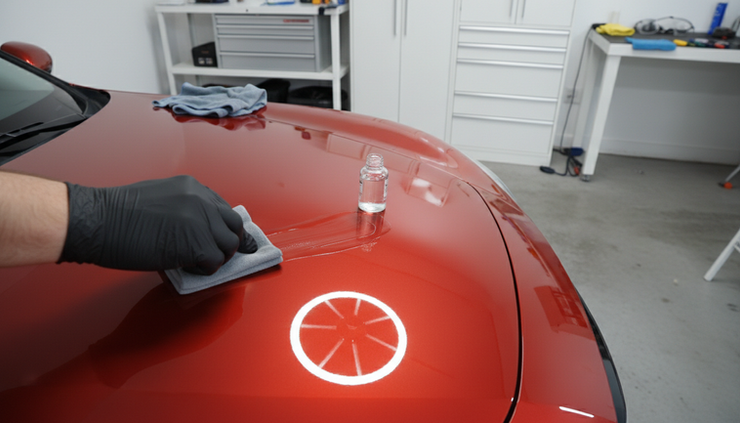
Ceramic and graphene coatings also resist chemical attack better than wax. Normal car wash soaps will not strip a properly cured coating the way stronger cleaners can strip wax. That means you can wash the car regularly without removing the protection every time.
Still, no coating makes paint invincible. Rock chips, deep scratches, hard water etching, and neglected contaminants can still cause damage. Ceramic coating is a shield, not armor plating. Its strength lies in reducing exposure, slowing contamination, and making the surface easier to clean.
Ceramic and graphene coatings make maintenance easier
One of the most practical advantages of coatings is how they change your wash routine.
A coated vehicle is usually easier to clean because dirt does not bond as tightly to the surface. During a rinse, loose grime releases faster. During a contact wash, the mitt glides more easily. Drying often takes less time because water sheets or beads off the surface instead of clinging in a flat layer.
That easier maintenance helps reduce wash marks. Most fine scratches and swirls come from dragging dirt across the paint. If the surface releases dirt faster, there is less grit left during the wash. If the surface is slicker, there is less friction.
A coated car also tends to keep its appearance longer after washing. The gloss does not rely on a soft wax layer that fades quickly. The coating remains in place through many wash cycles, as long as the right methods are used.
For best results, coated vehicles still need basic care:
Use a pH-balanced car shampoo when possible.
Wash with a clean mitt or microfiber towel.
Rinse heavy dirt before touching the paint.
Dry with soft microfiber towels or filtered air.
Remove bird droppings, sap, and bug residue quickly.
Avoid harsh degreasers unless needed for a specific issue.
Waxed vehicles need more frequent reapplication to preserve that just-detailed appearance. Sealants need less attention than wax, but they still fade much sooner than coatings. Ceramic and graphene coatings reduce the cycle of wash, protect, fade, and repeat.
That time savings is one reason coatings have become popular with daily drivers, not just show cars.
Protection against water spots, bird droppings, and tree sap
Environmental protection is where coatings earn their keep.
Water spots form when mineral-rich water dries on the surface. The water evaporates, but minerals remain. If those minerals sit too long, especially in sunlight, they can stain or etch the surface. Ceramic coatings help by making water less likely to spread flat and dry in place. Water beads and sheets more easily, which can reduce spotting.
Graphene ceramic coatings are often chosen for their water behavior and reduced spotting tendency. They can still get water spots, especially from sprinklers or hard water, but the spots are usually easier to remove when handled quickly.
Bird droppings are another problem. They can be acidic and can etch paint if left too long. Wax offers some temporary protection, but it may break down quickly under acidic contamination. Ceramic coatings provide a tougher sacrificial layer, buying more time before damage reaches the clear coat.
Tree sap is sticky, stubborn, and often difficult to remove safely. A slick coating helps prevent sap from bonding as aggressively. It does not mean sap wipes away effortlessly every time, but removal is often easier and less risky.
The same applies to:
Bug splatter
Road tar
Pollen
Industrial fallout
Road salt residue
Rain grime

The main advantage is easier cleanup. Contaminants have a harder time sticking to the coating than to unprotected paint or aging wax. That makes regular washing more effective and lowers the risk of aggressive scrubbing.
When wax or sealant still makes sense
Ceramic coatings are not the right choice for every situation. Wax and sealants still have a place.
Wax makes sense if you enjoy detailing often and want a warm, show-car glow for a short time. It is also low commitment. You can apply it by hand, refresh it frequently, and experiment with different products.
Sealants make sense if you want better durability than wax but do not want the prep, cost, or commitment of a coating. They are good for seasonal protection and can work well on vehicles that are already in decent condition.
Ceramic and graphene coatings make the most sense when you want long-term protection, easier washing, stronger gloss retention, and less frequent reapplication. They are especially useful for daily drivers, outdoor-parked vehicles, and anyone tired of waxing every few months.
The main tradeoff is preparation. A coating should be applied to properly cleaned and decontaminated paint. If the paint has swirls, oxidation, water spots, or embedded contaminants, those issues should be corrected first. Once the coating cures, it locks in the surface beneath it.
That prep is also why professional coating jobs cost more than a basic wax service. The value comes from durability, not just application.
The best choice for longer protection and a cleaner car
Wax gives quick shine. Sealants give better seasonal protection. Ceramic and graphene coatings offer the longest-lasting defense and the easiest long-term maintenance.
For a vehicle that only needs occasional gloss before a weekend cruise, wax can still be enjoyable. For a car that needs practical year-round protection, a sealant is a step up. For paint that should stay cleaner, wash easier, resist contaminants better, and keep a glossy appearance for years, ceramic or graphene ceramic coating is the strongest choice.
The biggest difference is staying power. Wax may look great at first, but it fades in months. Sealants last longer, but still need regular renewal. Ceramic and graphene coatings use harder, non-oily technology that reflects light clearly, rejects grime more effectively, and protects against daily exposure for 2 to 9 years when installed and maintained properly.
A cleaner car is not only about how it looks after the first detail. It is about how well that look holds up after rain, sun, dust, washing, bird droppings, and real driving. That is where coatings separate themselves.


Comments